website785054.gif

Cabo de la Huerta sports a Mediterranean climate (dry, warm summers and mild winters) with an associated flora and fauna.

The east side of the cape is especially attractive for seabirds because tectonic forces have tilted the limestone layer horizontally.
Here long fingers of rock, separated by parallel shallow channels extend into the sea.
There are a couple of flat plateaus that become submerged at high tide, thus serving a continually refreshed banquet for hungry shorebirds, also known as Waders.

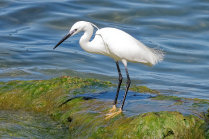
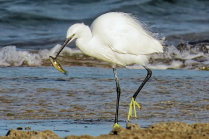
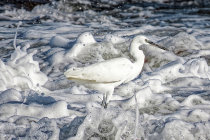
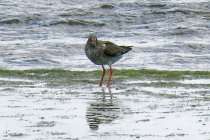
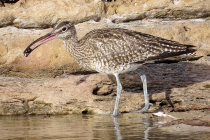
The long-legged Little Egret is a bird you can spot here year-round but most visiting waders are migrating birds like Common Redshank, Gray Plover, Ringed Plover, Ruddy Turnstone, Dunlin, Kentish Plover and Eurasian Whimbrel.

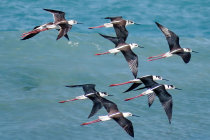
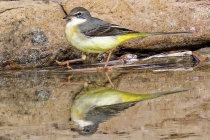
Occasionally you may glimpse a flock of Black-winged Stilts gliding by, or notice a Gray Wagtail checking the rocks for small insects or other critters.

A comprehensive guide of all fauna and flora in the Alicante region is here.
See this list for all birds observed at the Cape.

The photographs are from April 2024 through December 2025.

website785002.gif website785052.gif website785051.gif website785050.jpg website785049.jpg website785048.jpg website785047.jpg website785046.jpg website785045.jpg website785044.jpg website785043.jpg website785042.jpg website785041.jpg website785040.jpg website785039.jpg website785038.jpg website785037.jpg website785036.jpg
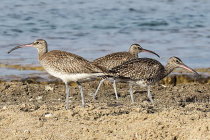
Eurasian Whimbrels have very long beaks
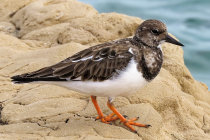
Ruddy Turnstones got their name because they flip little stones and shells in search of food
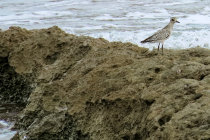
another long distance shot, this time of a Gray Plover
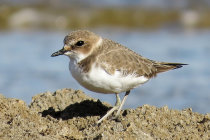
Kentish Plovers are small and compact birds with adorable eyes
I only got one long distance shot of this Common Redshank
a Little Egret washes its long legs in the outdoor washing machine
a flock of Black-winged Stilts
or pick up small molluscs
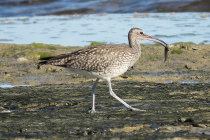
that long beak comes in handy in catching small fish
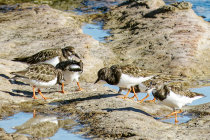
a flock of Ruddy Turnstones has just landed and starts seeking for food
1
2
4
5
6
7
8
9
10
11
12
13
14
15
end
website785003.gif website785001.gif
this Little Egret is contemplating life, or maybe waiting for an easy catch
website785002.gif website785003.gif website785002.gif website785001.gif
Little Egrets are elegant killing machines
3
website785003.gif website785002.gif website785001.gif website785003.gif website785002.gif website785001.gif website785003.gif website785002.gif website785001.gif
a Ringed Plover is feasting on little seacritters
website785003.gif website785002.gif website785001.gif website785003.gif website785002.gif website785001.gif website785003.gif website785002.gif website785001.gif
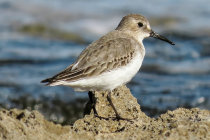
Dunlins are also called Red-backed Sandpipers
website785003.gif website785002.gif website785001.gif website785003.gif website785002.gif website785001.gif website785003.gif website785002.gif website785001.gif website785003.gif website785002.gif website785001.gif website785003.gif website785002.gif website785001.gif website785003.gif website785002.gif website785001.gif website785003.gif website785002.gif website785001.gif
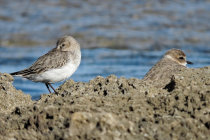
this Dunlin and Kentish Plover are friends, they came together and left together
Waders at Cabo de la Huerta
website785004.jpg
16
a Gray Wagtail parades proudly through the shallow water
website785003.gif website785002.gif website785001.gif