
Gulls at Cabo de la Huerta
Cabo de la Huerta sports a Mediterranean climate (dry, warm summers and mild winters) with an associated fauna.
The east side
of the cape is especially attractive for seabirds because tectonic forces have tilted the limestone layer horizontally.
Here long
fingers of rock, separated by parallel shallow channels extend into the sea.
There are a couple of flat plateaus that become
submerged at high tide, thus serving a continually refreshed banquet for hungry gulls.
Gulls you can spot here
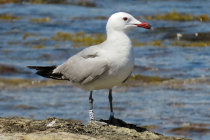
year-round are Audouin's Gull and Yellow-Legged Gull.
In winter and spring many migratory birds make a foraging pits
here at the Cape, like Northern Gannet, Common Tern, Little Tern and Sandwich Tern.
Every now and then an American Ring-billed
Gull shows up.
A comprehensive guide of all fauna and flora in the Alicante region is here.
See this list for all birds observed at
the Cape.
The photographs are from April 2024 through December 2025.


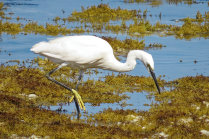
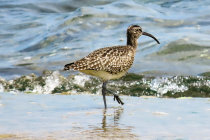
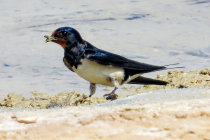
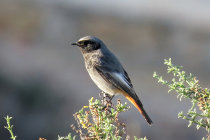
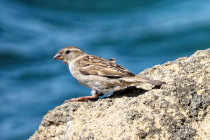
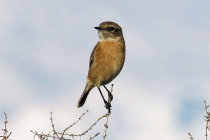
in winter Sandwich Terns show up
Great Black-backed Gulls are massive and very aggressive birds as this younster shows
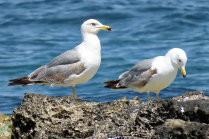
a juvenile and adult Yellow-legged Gull . It takes juveniles about four years to get the adult plumage
Little Terns are very migratory and seldom show up at Cabo de la Huerta
and he even socializes with the elderly here
in spring he dates here
Northern Gannets have a spectacular way of hunting with high speed plunge-dives
an adult Northern Gannet passes by. They breed in Northern Europe but in winter move to the Mediterranean
a Mediterranean Gull cozies up with a couple of larger Audouin's Gulls


BB1A is a proud Audouin's Gull in his prime. He lives year-round here at the Cabo
he feeds here
an adult Yellow-legged Gull checks the waters for food
Common Terns have very short legs
in winter, Black-headed Gulls have only small black colorings on the head

a juvenile Northern Gannet is chased away by an aggressive Yellow-legged Gull
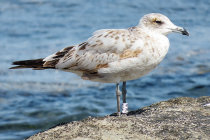
Ring-billed Gulls are native to North America, but recently also breed in Europe